.jpg)
How To Care For Your
Natural Knits
With fast fashion and cheap, synthetic clothing being the norm these days, it’s become a little hard to know just how to keep your beloved knitwear in tip-top condition.
We believe good things should last for as long as possible, which is why we’ve come up with this handy care guide to help you really make the most of your favourite natural knits.
And if your knits need some additional care, we now offer a care and repair service.

How To Care For Your
Natural Knits
With fast fashion and cheap, synthetic clothing being the norm these days, it’s become a little hard to know just how to keep your beloved knitwear in tip-top condition.
We believe good things should last for as long as possible, which is why we’ve come up with this handy care guide to help you really make the most of your favourite natural knits.
And if your knits need some additional care, we now offer a care and repair service.
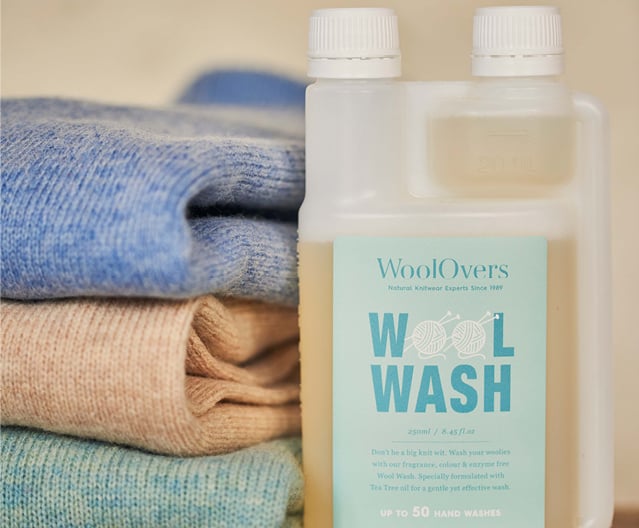
Wool Washing
Use it to care for your natural knitwear. Always read the instructions thoroughly before washing.
SHOP NOW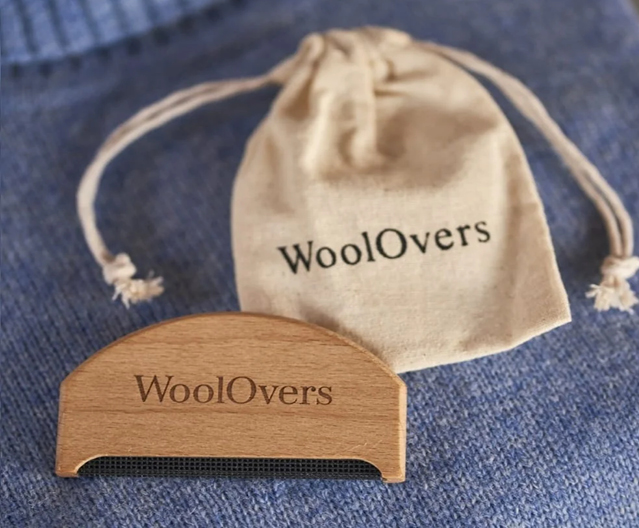
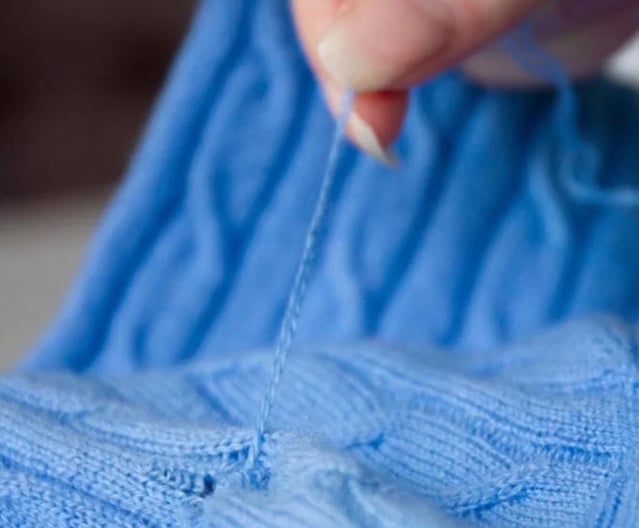
Care & Repair Service
With over 13 years' experience of crafting, shaping, and caring for knitwear our team of experts can professionally recondition and repair your knits.
FIND OUT MOREHandwashing
Most of the garments in our collection are machine washable. Having said that, we recommend that you hand-wash all of our pure cashmere garments, as the nature of their super-fine fibres makes them especially vulnerable to heat and friction damage.
Aside from that, there are a handful of other garments in our range that are also hand-wash only, please see below for recommended washing instructions.
Your WoolOvers cashmere garment has been made using the finest cashmere fibres. This luxurious fibre is renowned for its desirable softness and superior warmth. Special care should be taken when laundering your cashmere garments.
1 – Lay garment completely flat, and use a pilling comb to remove the excess bobbles from the garment. Pilling combs should be used very gently as excess combing will damage the fabric.
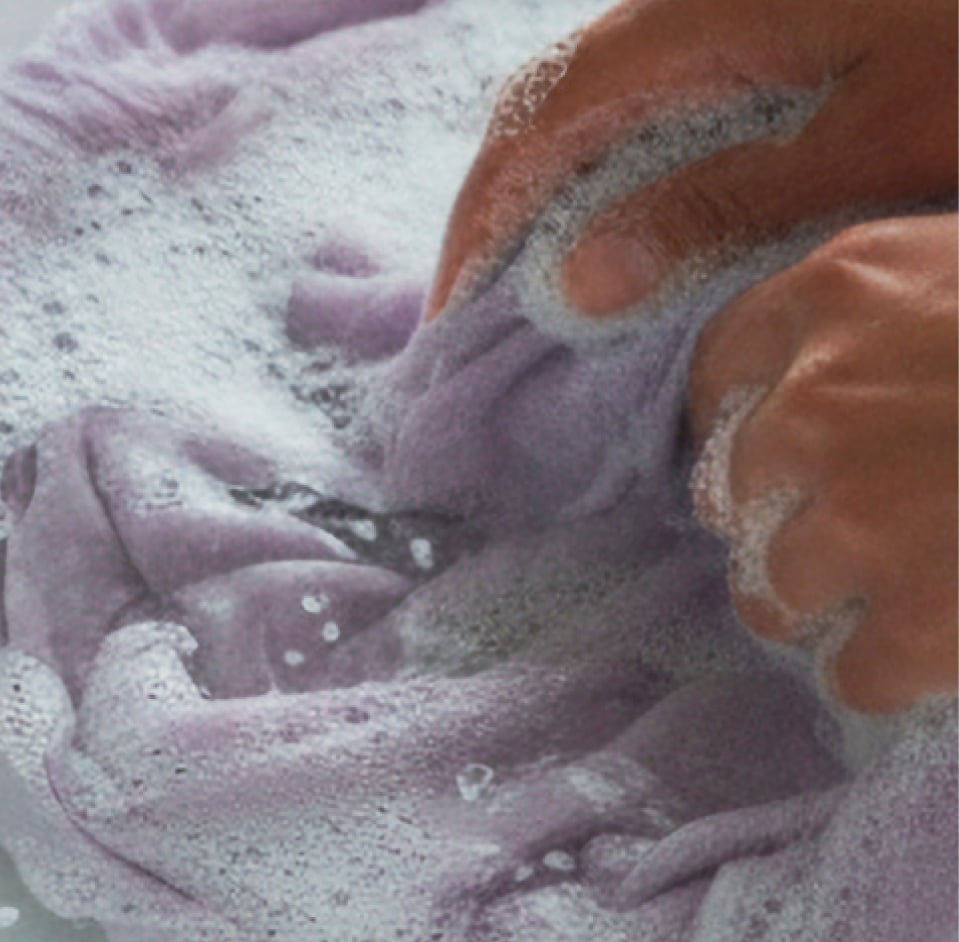
2 – Fill a sink or small tub with luke warm water.
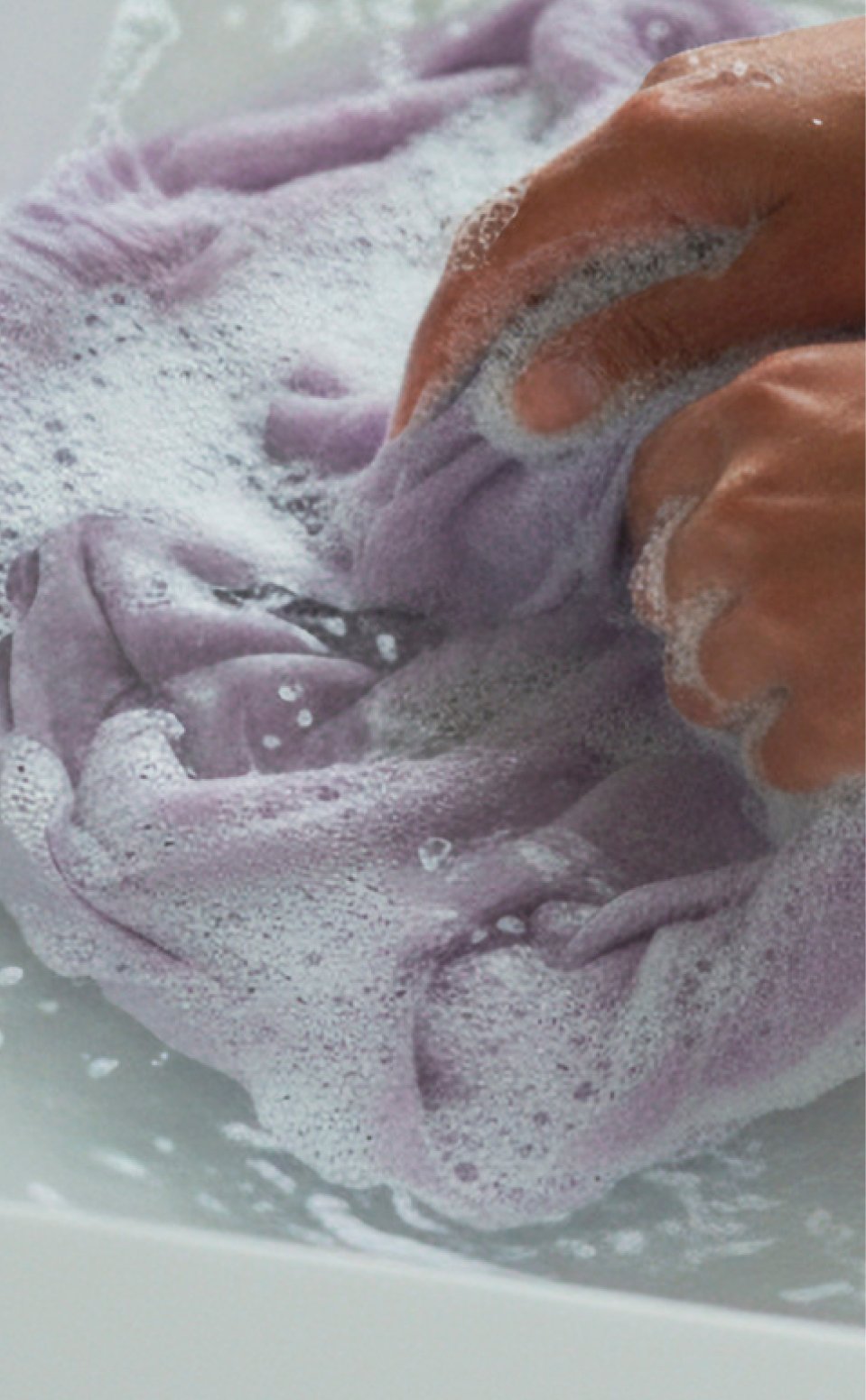
3 – Add a teaspoon per item of a gentle laundry detergent (we recommend our very own Wool Wash infused with lemon myrtle and tea tree oil) then gently swish your knitwear around in the water, avoiding any harsh scrubbing or wringing actions. Never use biological detergents, as they contain enzymes that break down fibres.
4 – Turn the garment inside out and submerge in the water for five to 10 minutes. Do not soak.
5 – Rinse in cool water, until it runs clear.
6 – Squeeze to remove excess water, but do not wring. Lay flat on a dry towel, roll up and press to remove excess water.

Machine Washing
When machine washing your natural knits, there are a few precautions you can take to minimise the risk of wear and pilling:
Always wash your natural fibres on a delicate setting and a temperature no higher than 30 °C.
Wash using a slow, gentle spin cycle, maximum 600 RPM. Natural fibres like wool have a waxy cuticle coating which makes them more water repellent than synthetic alternatives, so there’s no need to go any faster than this.
Prevent pilling by turning your natural garments inside-out before washing. This will ensure there’s less abrasion to the outer surface of the garment from other items of clothing, especially things with zippers and buttons.
It’s also a good idea to keep your natural delicates in a separate laundry load, as mixing them in with jeans and similar coarse materials will increase the risk of abrasion.
Remember, you don’t need to wash wool nearly as often as synthetic fibres. Like many other natural yarns, wool self-regulates its moisture level, which helps it to prevent the build-up of mould and bacteria, and in turn odours. It may be force of habit to wash your natural knits after just one or two wears, but if you can wait a little longer, you’ll do a little something for the environment while prevent wear and decolouration over time.
Just like with hand washing, make sure you always use a gentle, wool friendly detergent Please note, we are not liable for any washing errors.
Drying
Ideally, you should always flat-dry your natural knitwear by laying it out on a neutral-coloured towel with no lint, rolling it up and kneading it gently with every roll, then lying it on a new, clean towel until dry.
Hanging natural-yarn garments up to dry on washing lines or hangers will cause the garment to stretch and warp over time due to the added weight of the moisture. Wire hangers are notoriously bad for this.
We know it’s not always possible to flat dry every piece of knitwear you own, so if you do have to hang-dry your knits, try to avoid sources of heat such as radiators and direct sunlight. Resting your natural laundry flat on an unheated airer, in a well-ventilated conservatory in a patch of shade, is ideal.

Preventing Damage From Moths
Moths, or more accurately their larvae, love natural yarns just as much as you do!
This is because fibres like silk, cotton, and wool are rich in keratin, a protein that’s also found in hair, nails, horns, etc.
You may have been unlucky enough to have had first-hand experience with this when you took out your favourite Cashmere jumper for a special occasion, and found it scattered with unsightly little holes.
To keep moths away, we recommend a bag of our moth repellent cedar wood balls. These are not only highly effective at protecting your knits from moths, but are also 100% natural, and free from the toxic chemical pesticides present in traditional mothballs.
Alternatively, you can always make your own natural moth-repellent sachets with a few simple materials.
Pilling
Pilling or bobbling is something of a necessary evil when you like an all-natural wardrobe.
As mentioned in the ‘washing’ section, you can prevent pilling to some degree by turning your knitwear inside-out, and washing it in a separate load to coarser materials like denim.
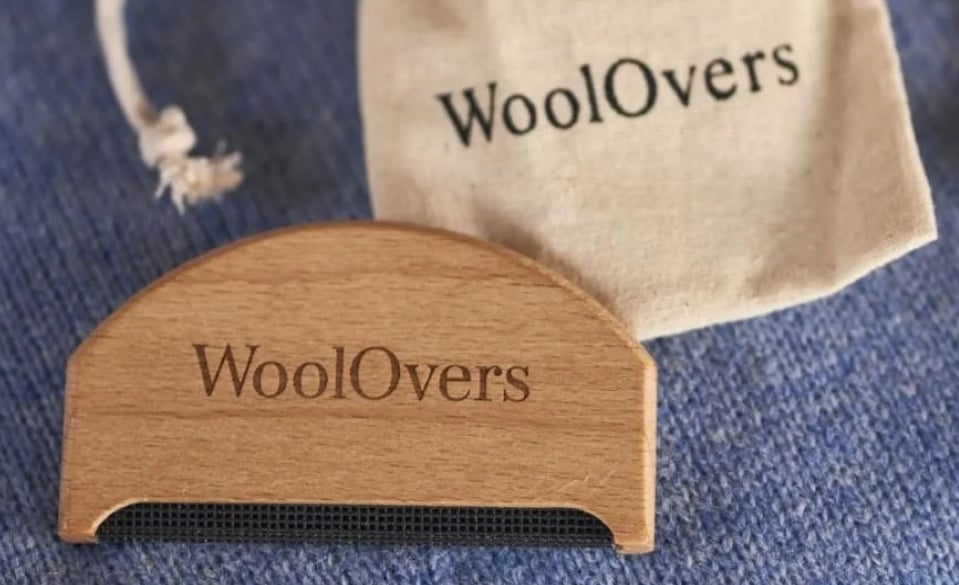
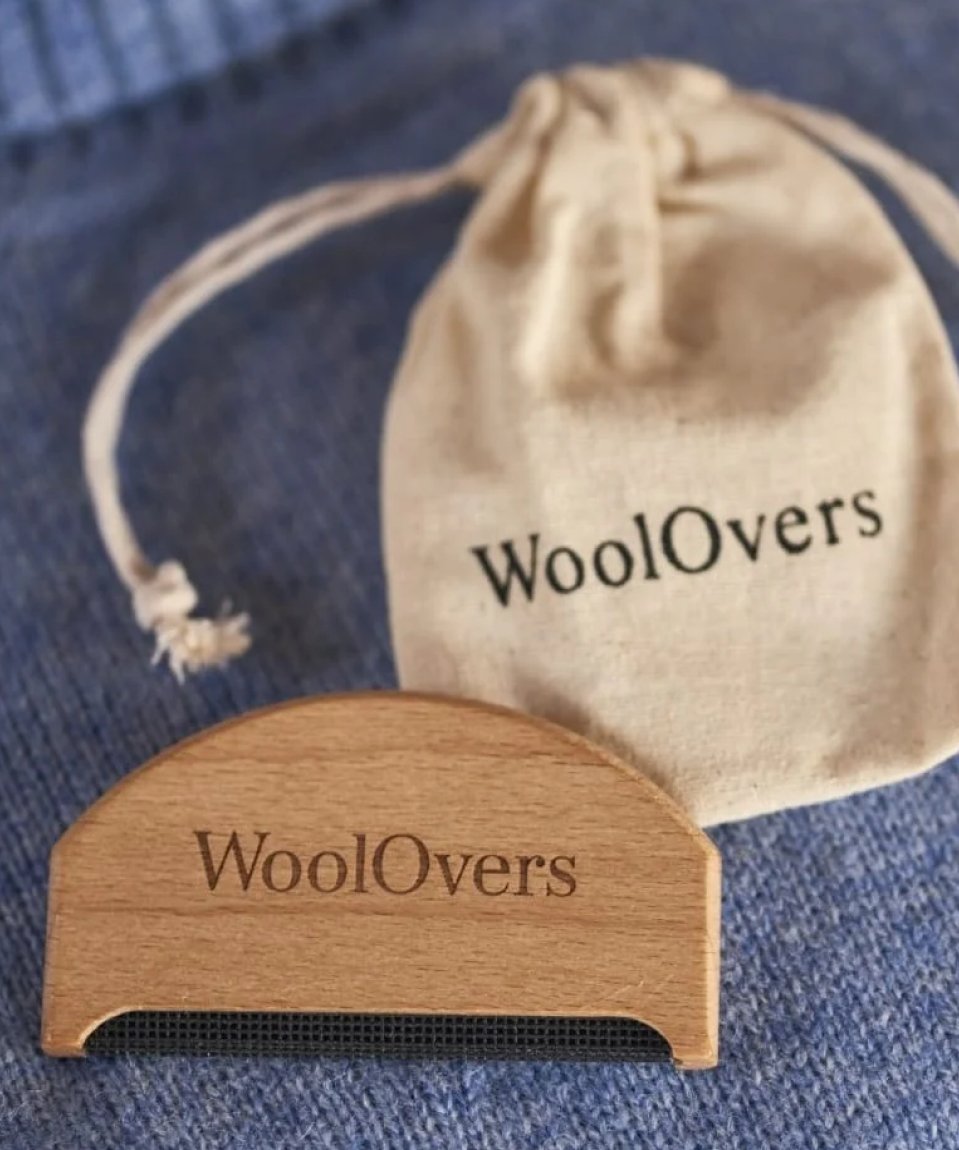
However, when you do notice pilling on your jumpers or cardis, you can get rid of it using one of our popular pilling combs. Simply spread your garment out on a flat surface, then use the comb to scrape away pills in one direction using short, soft strokes.
It’s important to treat your natural knitwear gently when de-pilling, especially with more expensive yarns like cashmere and merino. If you’ve never used a pilling comb before, we recommend starting on a small, inconspicuous part of your garment before moving onto the rest of it.
If you don’t have a pilling comb, then a sandpaper sponge, a disposable razor, or even snipping the pills off with scissors, can all make pretty decent alternatives.

Hand Washing
Most of the garments in our collection are machine washable. Having said that, we recommend that you hand-wash all of our pure cashmere garments, as the nature of their super-fine fibres makes them especially vulnerable to heat and friction damage.
Aside from that, there are a handful of other garments in our range that are also hand-wash only, please see below for recommended washing instructions.
Your WoolOvers cashmere garment has been made using the finest cashmere fibres. This luxurious fibre is renowned for its desirable softness and superior warmth. Special care should be taken when laundering your cashmere garments.
1 – Lay garment completely flat, and use a pilling comb to remove the excess bobbles from the garment. Pilling combs should be used very gently as excess combing will damage the fabric.
2 – Fill a sink or small tub with luke warm water.
3 – Add a teaspoon per item of a gentle laundry detergent (we recommend our very own Wool Wash infused with lemon myrtle and tea tree oil) then gently swish your knitwear around in the water, avoiding any harsh scrubbing or wringing actions. Never use biological detergents, as they contain enzymes that break down fibres.
4 – Turn the garment inside out and submerge in the water for five to 10 minutes. Do not soak.
5 – Rinse in cool water, until it runs clear.
6 – Squeeze to remove excess water, but do not wring. Lay flat on a dry towel, roll up and press to remove excess water.
Machine Washing
When machine washing your natural knits, there are a few precautions you can take to minimise the risk of wear and pilling:
Always wash your natural fibres on a delicate setting and a temperature no higher than 30 °C.
Wash using a slow, gentle spin cycle, maximum 600 RPM. Natural fibres like wool have a waxy cuticle coating which makes them more water repellent than synthetic alternatives, so there’s no need to go any faster than this.
Prevent pilling by turning your natural garments inside-out before washing. This will ensure there’s less abrasion to the outer surface of the garment from other items of clothing, especially things with zippers and buttons.
It’s also a good idea to keep your natural delicates in a separate laundry load, as mixing them in with jeans and similar coarse materials will increase the risk of abrasion.
Remember, you don’t need to wash wool nearly as often as synthetic fibres. Like many other natural yarns, wool self-regulates its moisture level, which helps it to prevent the build-up of mould and bacteria, and in turn odours. It may be force of habit to wash your natural knits after just one or two wears, but if you can wait a little longer, you’ll do a little something for the environment while prevent wear and decolouration over time.
Just like with hand washing, make sure you always use a gentle, wool friendly detergent Please note, we are not liable for any washing errors.
Drying
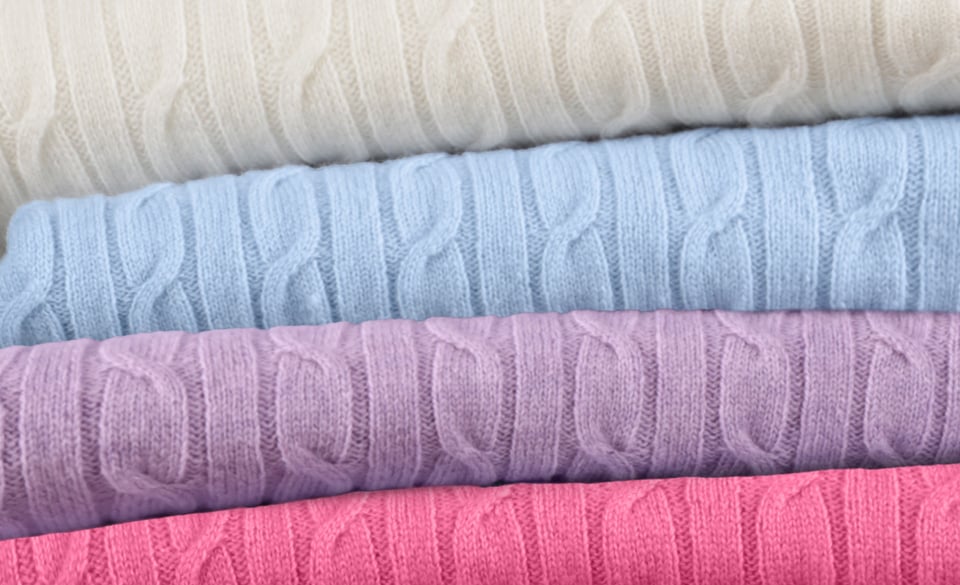
Ideally, you should always flat-dry your natural knitwear by laying it out on a neutral-coloured towel with no lint, rolling it up and kneading it gently with every roll, then lying it on a new, clean towel until dry.
Hanging natural-yarn garments up to dry on washing lines or hangers will cause the garment to stretch and warp over time due to the added weight of the moisture. Wire hangers are notoriously bad for this.
We know it’s not always possible to flat dry every piece of knitwear you own, so if you do have to hang-dry your knits, try to avoid sources of heat such as radiators and direct sunlight. Resting your natural laundry flat on an unheated airer, in a well-ventilated conservatory in a patch of shade, is ideal.

Preventing Damage from Moths
Moths, or more accurately their larvae, love natural yarns just as much as you do!
This is because fibres like silk, cotton, and wool are rich in keratin, a protein that’s also found in hair, nails, horns, etc.
You may have been unlucky enough to have had first-hand experience with this when you took out your favourite Cashmere jumper for a special occasion, and found it scattered with unsightly little holes.
To keep moths away, we recommend a bag of our moth repellent cedar wood balls. These are not only highly effective at protecting your knits from moths, but are also 100% natural, and free from the toxic chemical pesticides present in traditional mothballs.
Alternatively, you can always make your own natural moth-repellent sachets with a few simple materials.
Pilling
Pilling or bobbling is something of a necessary evil when you like an all-natural wardrobe.
As mentioned in the ‘washing’ section, you can prevent pilling to some degree by turning your knitwear inside-out, and washing it in a separate load to coarser materials like denim.
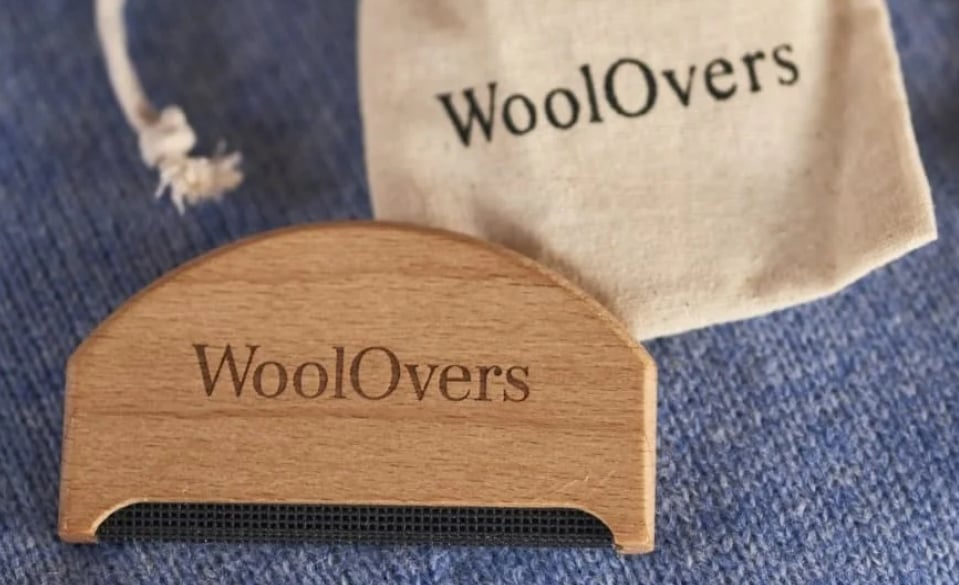
However, when you do notice pilling on your jumpers or cardis, you can get rid of it using one of our popular pilling combs. Simply spread your garment out on a flat surface, then use the comb to scrape away pills in one direction using short, soft strokes.
It’s important to treat your natural knitwear gently when de-pilling, especially with more expensive yarns like cashmere and merino. If you’ve never used a pilling comb before, we recommend starting on a small, inconspicuous part of your garment before moving onto the rest of it.
If you don’t have a pilling comb, then a sandpaper sponge, a disposable razor, or even snipping the pills off with scissors, can all make pretty decent alternatives.