100% Wool Knitwear
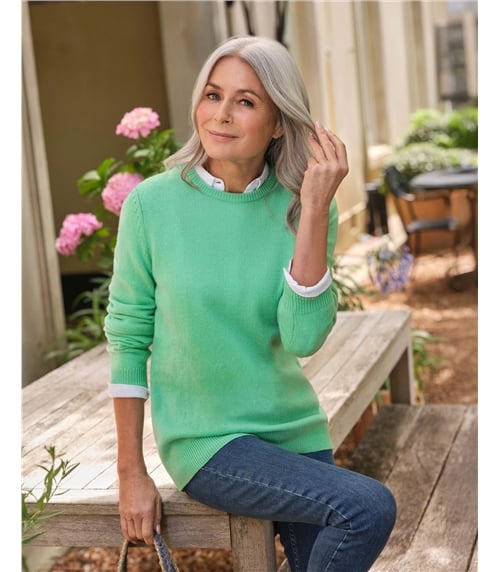
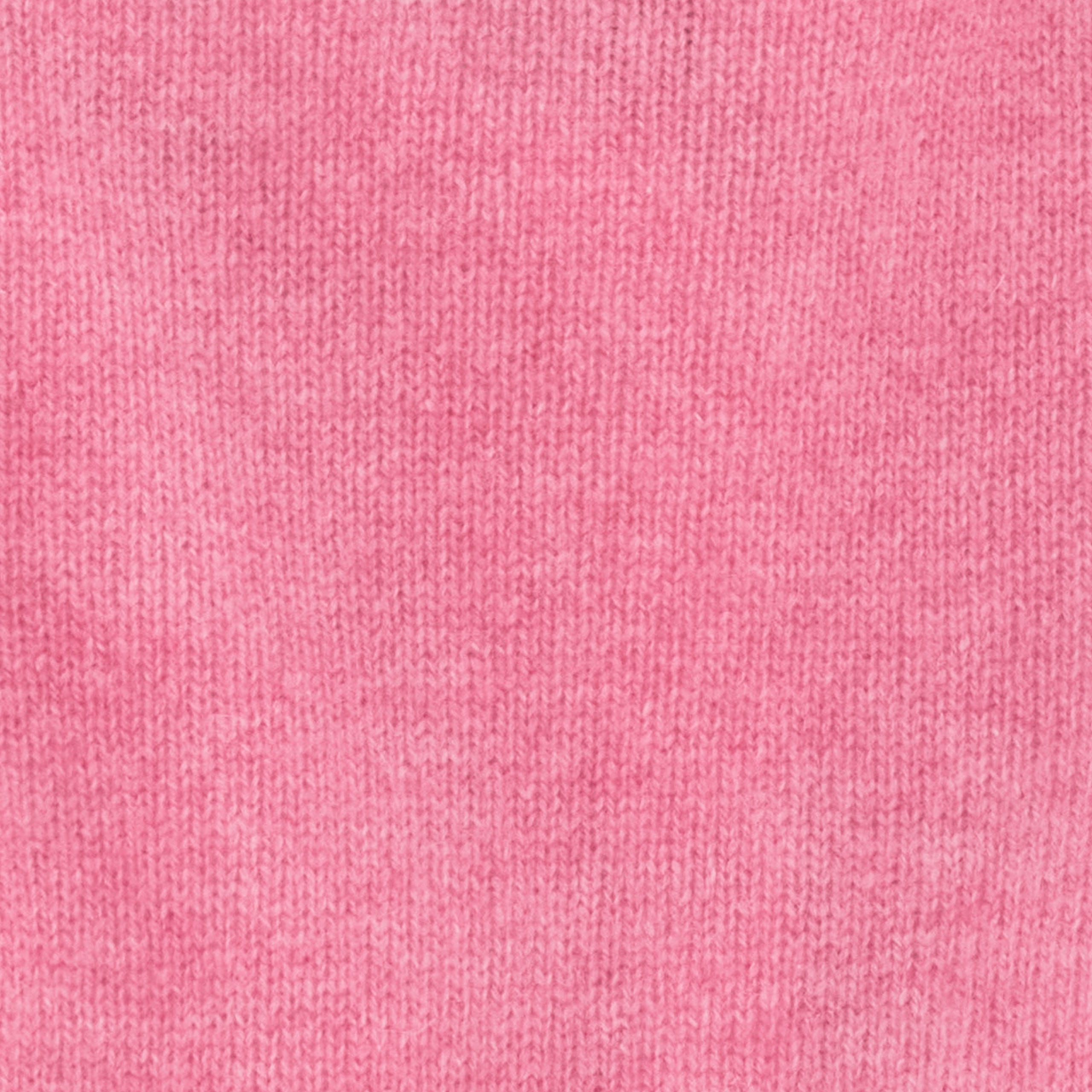
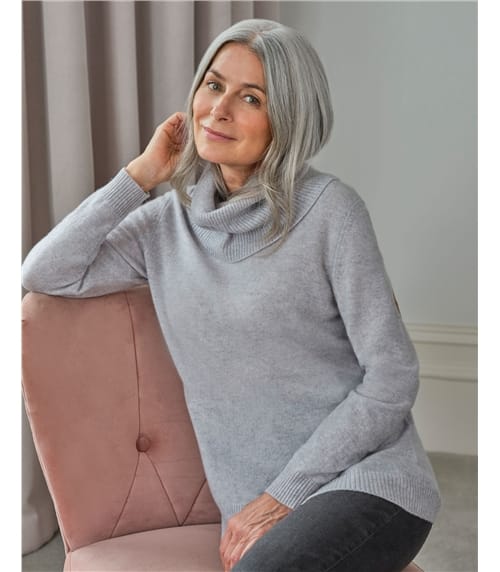
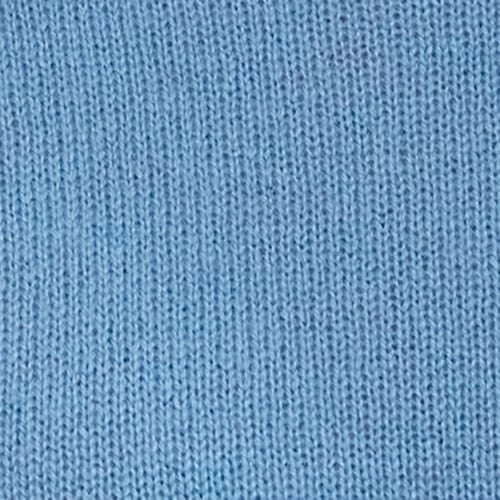
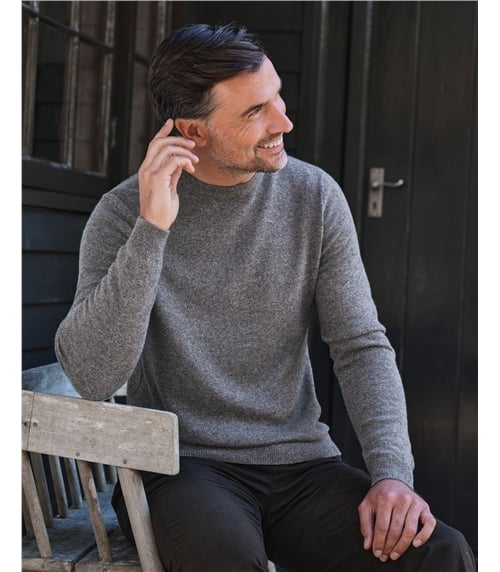
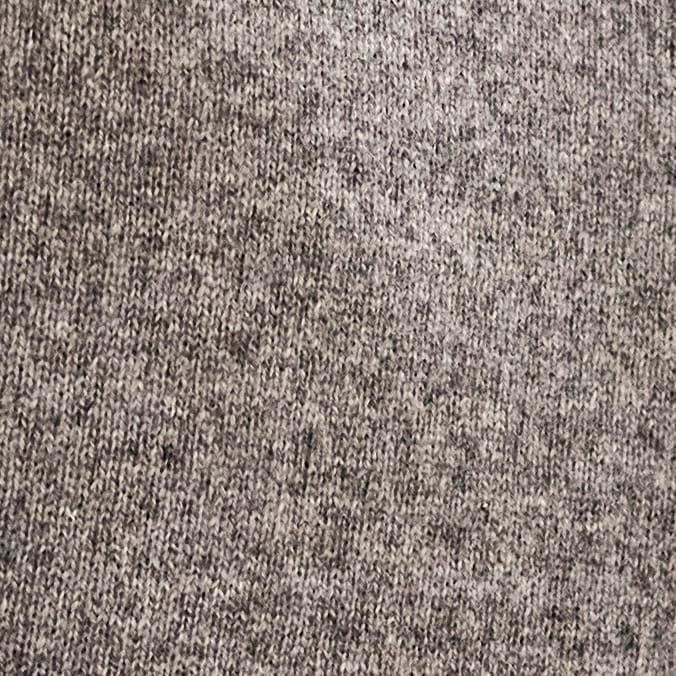
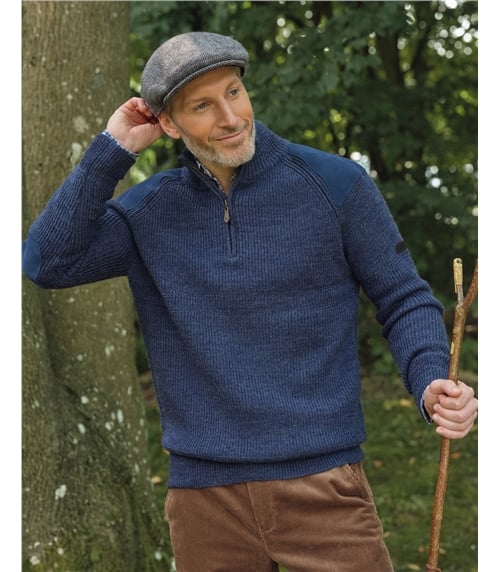
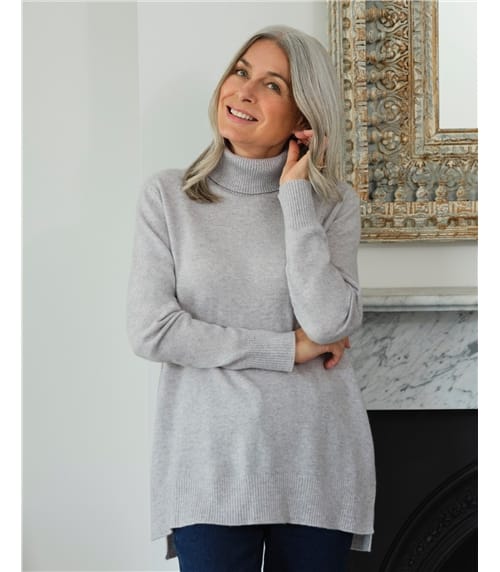
Whatever the weather. Chunky and robust, our woolen yarns are warm, durable yet soft to the touch. Made from sustainable fibres that are kind to your skin and the planet, discover wool jumpers from soft cashmere and merino blends to durable lambswool.

Pre-order: Dispatching from:
Athena.Core.Domain.Models.ProductSizeModel?.Sizes?.FirstOrDefault()?.ExpectedDate ?? ""
Do you wish to continue?
Please select a size
- XS
- S
- M
- L
- XL
- XXL







Pre-order: Dispatching from:
Athena.Core.Domain.Models.ProductSizeModel?.Sizes?.FirstOrDefault()?.ExpectedDate ?? ""
Do you wish to continue?
Please select a size
- XS
- S
- M
- L
- XL
- XXL



Pre-order: Dispatching from:
Athena.Core.Domain.Models.ProductSizeModel?.Sizes?.FirstOrDefault()?.ExpectedDate ?? ""
Do you wish to continue?
Please select a size
- S
- M
- L
- XL
- XXL


Pre-order: Dispatching from:
Athena.Core.Domain.Models.ProductSizeModel?.Sizes?.FirstOrDefault()?.ExpectedDate ?? ""
Do you wish to continue?
Please select a size
- S
- M
- L
- XL
- XXL
- XXXL


Pre-order: Dispatching from:
Athena.Core.Domain.Models.ProductSizeModel?.Sizes?.FirstOrDefault()?.ExpectedDate ?? ""
Do you wish to continue?
Please select a size
- XS
- S
- M
- L
- XL


Pre-order: Dispatching from:
Athena.Core.Domain.Models.ProductSizeModel?.Sizes?.FirstOrDefault()?.ExpectedDate ?? ""
Do you wish to continue?
Please select a size
- XS
- S
- M
- L
- XL
- XXL

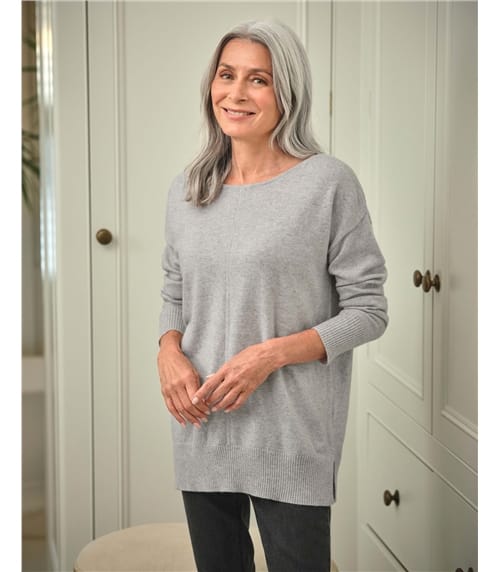
Classic, versatile and luxurious ‑ our range of 100% wool jumpers offer everything your winter wardrobe needs! Update your look with a simple crew jumper, a stylish shawl collared neck jumper or mottled cable knit fingerless gloves. Whether you want to relax in winter wearing something cosy but timeless or dress up an outfit with a form‑fitting rib jumper, jeans and heels, you'll find the perfect knitwear to match your style. With colours ranging from classic cream to deep red and navy blue, you'll only need a few select staples to revitalise your wardrobe.